Fostering the business interests and professional development of the psychology community. |
|
|
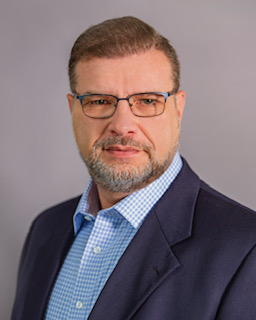
Member Spotlight - Douglas Carpenter |
|
|
Douglas Carpenter has dedicated his professional career to mental health services while focusing on male-specific mental health support and trauma survivor care. He co-owns Insight Counseling Services in Auburn Hills, Michigan, where he leads the practice as Clinical Director while pursuing innovative therapeutic methods, and has published two books: “Childhood Trauma and the Non-Alpha Male” and “Secret Shame: A Survivor's Guide to Understanding Male Sexual Abuse and Male Sexual Development”. His therapeutic practice combines brainspotting training with psychodrama experiential therapy.
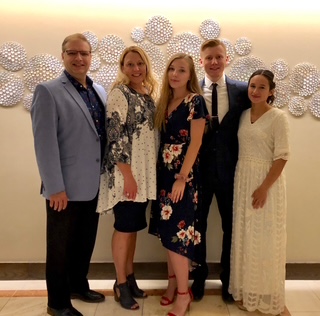
While his days of practice have reduced, he maintains his influence through writing and leadership activities as well as Psypact-approved licensure, which enables him to practice in Florida. Additionally, as Clinical Director of a large online men’s community, Douglas provides support to its 7,000 members. Douglas spends his free time acrylic painting and jet skiing with his wife of 30 years, along with their 2 adult children and one King Charles Spaniel Cavalier. |
|
|
Practical Tips Regarding How to Deal with "Food Noise" by Dr. Jennifer VanBeck, PsyD |
1. What is “food noise” and how can it impact your life?
Food noise refers to constant and intrusive thoughts about food that stick around even when you are not hungry. These include what you should or shouldn’t eat. Food noise makes it difficult to think about anything else. It may
feel like intense cravings for certain foods. Food noise often has an emotional component to it. It is a common symptom of bulimia and binge eating disorder and occasionally a symptom of anorexia.
2. Here are some coping skills to deal with food noise
Be aware of triggers such as uncomfortable emotions and distressing events, people or places.
Distract yourself from thinking about favorite foods. Learn to avoid the triggers and to cope with them better. Eat with no outside distractions like your phone, TV, or newspaper. You will find that you can enjoy your food more. Eating this way consistently helps reduce food noise.
Learn to quiet your thoughts.
Some people find that journaling and recollection of important events is helpful. Others focus on exciting events that are coming up.
Mindfulness techniques can allow you to accept that annoying thoughts come and go. Some people find the use of visual imagery to be helpful. For instance, picture your troublesome thoughts as leaves floating down a stream until out of sight.
Grounding techniques.
Be in the present. Be aware of how you do everyday activities. Observe the characteristics of the setting you are in. Feel how you sit, stand, and the weight of your body. Diet.
Eat less processed foods and more protein, healthy fats, and high-quality carbs. This has been found to help reduce food noise.
3. Family and friends can help someone who struggles with food noise
Loved ones may help us feel less ashamed. They may remind us that many people struggle with food noise and that these are familiar challenges of life. They may encourage us to get professional help from a therapist and/or a
dietitian. |
| |
Neuropsychology Partners is Expanding its Practice to Better Serve the Community
Sponsored Profile
Since its founding in 2018 Neuropsychology Partners, with offices in Ann Arbor and Novi, Michigan, has done over 12,000 neuropsychological and psychological evaluations. We are seeking to hire a clinical neuropsychologist to join the practice. It is a full time position and includes medical benefits.
Our Founder, Dr. Alfred Mansour, PhD, LP, Certified Brain Injury Specialist, has a career that spans four decades of research and clinical service including his early years at the Mental Health Research Institute of The University of Michigan. Dr. Mansour has served on numerous scientific committees including the American College of Neuropsychopharmacology and the National Institute of Drug Abuse’s Neuroanatomy and Neurophysiology Review Subcommittee.
Dr. Mansour has published widely. His latest contributions include a review of the traumatic brain injury literature and a call for the integrative and multi-disciplinary approach to the treatment of traumatic brain injury (2015). He has also published a study of functional brain imaging in children and adults with dyslexia and the differential activation of working memory pathways (2014). Contact us here: https://neuropsychologyllc.com/contact/
|
|
|
Mindfulness-Based Cognitive Therapy for Insomnia Dr. Todd Favorite, Ph.D., ABPP May 9th, 2025 | 12PM to 2PM |
This webinar has been approved by the University of Detroit Mercy, which is our partner in the offerings of Continuing Education activities.
Sleep is one of the cornerstones of physical and mental health, yet over one third of the population struggles to initiate and/or maintain routine sleep. Clinicians are increasingly confronted with the perpetuating impact of anxiety, stress, pain and illness on sleep initiation and continuity and how this can lead to persistent daytime dysfunction.
Approximately fifteen percent of adults suffer with chronic insomnia, a ratio that increases with age. Many patients turn to prescription sleep medications, which often have initial benefits, but lose potency over time. This presentation will outline the Mindfulness-Based Cognitive Therapy for Insomnia, which is a mindfulness-based
method for sleep that has demonstrated efficacy. This approach to sleep treatment is growing in its application as an alternative to pharmacological interventions. In this presentation we will cover:
1. Sleep architecture, sleep hygiene and featured of disordered sleep
2. Integration of Cognitive Behavioral and Experiential/Meditative methods
3. Informal mindfulness and brief daily practice meditation practice
4. Structure of Mindfulness-Based Cognitive Therapy for Insomnia
5. Outcome data
6. Adaptations for individual patients and groups
Registration for this event is now open! Non-members pay $60 per person and Members pay $40 per person. Membership costs only $75 yearly.
Click here to become a member |
|
|
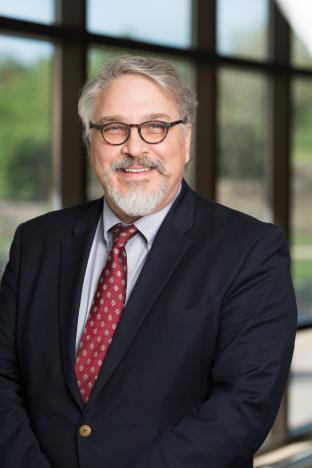
| Todd Favorite, Ph.D. | Clinical Psychologist
Todd Favorite, Ph.D. is board-certified and a fellow of the American Association of Clinical Psychologists. He is on the faculty of the U-M Department of Psychiatry. Dr. Favorite did his clinical training at the U-M Psychological Clinic and U-M Center for the Child & Family. He completed a clinical fellowship at the Ann Arbor VA in the PTSD Clinic. He has advanced training and certification in Cognitive Behavioral Analysis System for Psychotherapy (CBASP), Mindfulness-Based Cognitive Therapy (MBSR), and Cognitive Behavioral Therapy for Insomnia (CBT-I). His current research activities are in the application of MBSR for treating chronic pain. Dr. Favorite serves as co-Investigator and MBSR team lead on a multisite study that is exploring alternative treatment interventions for chronic pain.
|
|
|
Upcoming Events: Restrictive Eating Disorders, Anorexia & Bulimia – Jennifer VanBeck, PsyD. | June 6th
We are lining up presenters and topics to fill out our webinar calendar through 2025. If you are a member of WPS and interested in presenting a topic to our community feel free to reach out to events@washtenawpsychologysociety.com. |
Donations are the Lifeblood WPS
|
As members of our psychological community, we invite you to join us in sustaining the valuable work of WPS. As a lean organization, we face financial constraints that jeopardize our ability to maintain essential services. The costs of custom software and our dedicated part-time staff strain our resources. These fees also pay for our website, our searchable member directory, our two-hour lunch time webinars by experts in their specialties, occasional in-person networking meetings, and other services.
Your generous donations will not only help bridge this gap but also ensure the continuity of our mission. Together, let's continue to nurture this community of psychologists. We are grateful for your ongoing support and commitment to our shared vision. |
|
|
Supporting Members: Geraldine Markel, Ph.D., Todd Favorite, Ph.D., Allan Newman.
Washtenaw Psychology Society is made possible by our donors and sponsors. If you would like to join our esteemed list of donors, visit our website www.washtenawpsychologysociety.com/donate |
|
|
Looking for Neuropsych testing? |
Neuropsychology Partners provides assessments for Alzheimer's Disease, ADHD, Dementia, Learning disabilities, memory, Psychiatric Disorders (e.g depression, anxiety, OCD), Stroke and Cerebrovascular Disease, Tramatic Brain Injury (TBI). We start testing at age 16 and up.
We have two locations; Ann Arbor and Novi. Most insurances are accepted. Contact Information Phone: 734-961-7196
Website: https://neuropsychologyllc.com/
Email: neuropsychologypartners@neuropsychologyllc.com |
|
|
Sample Ad: NeuroR has new capacity for Patients! |
Sample Ad Text: We have been diligently working to expand our facilities, staff, and capacity! Please reach out if you, your family, or your clients need world-class occupational therapy, speech therapy, or psychotherapy!
Schedule a consultation today at www.neuror.com/consultation. |
|
|
Professional Photographic Services
|
Stefan Petrmichl of Ashtewan.com
is a Southeast Michigan photographer who specializes in capturing authentic moments and emotion. He is offering professional headshots, event photography, family photography and more. He is highly resourceful and eager to deliver high-quality images. Click the button below to learn more or contact Stefan. |
|
|
|