| Newsletter Volume 5 Issue 12 15 June 2025 |
|
|
TABLE OF CONTENTS From the Editor Public Health In the News Food Safety In The News Resources
Announcements News From Our Members Continuing Education |
|
|
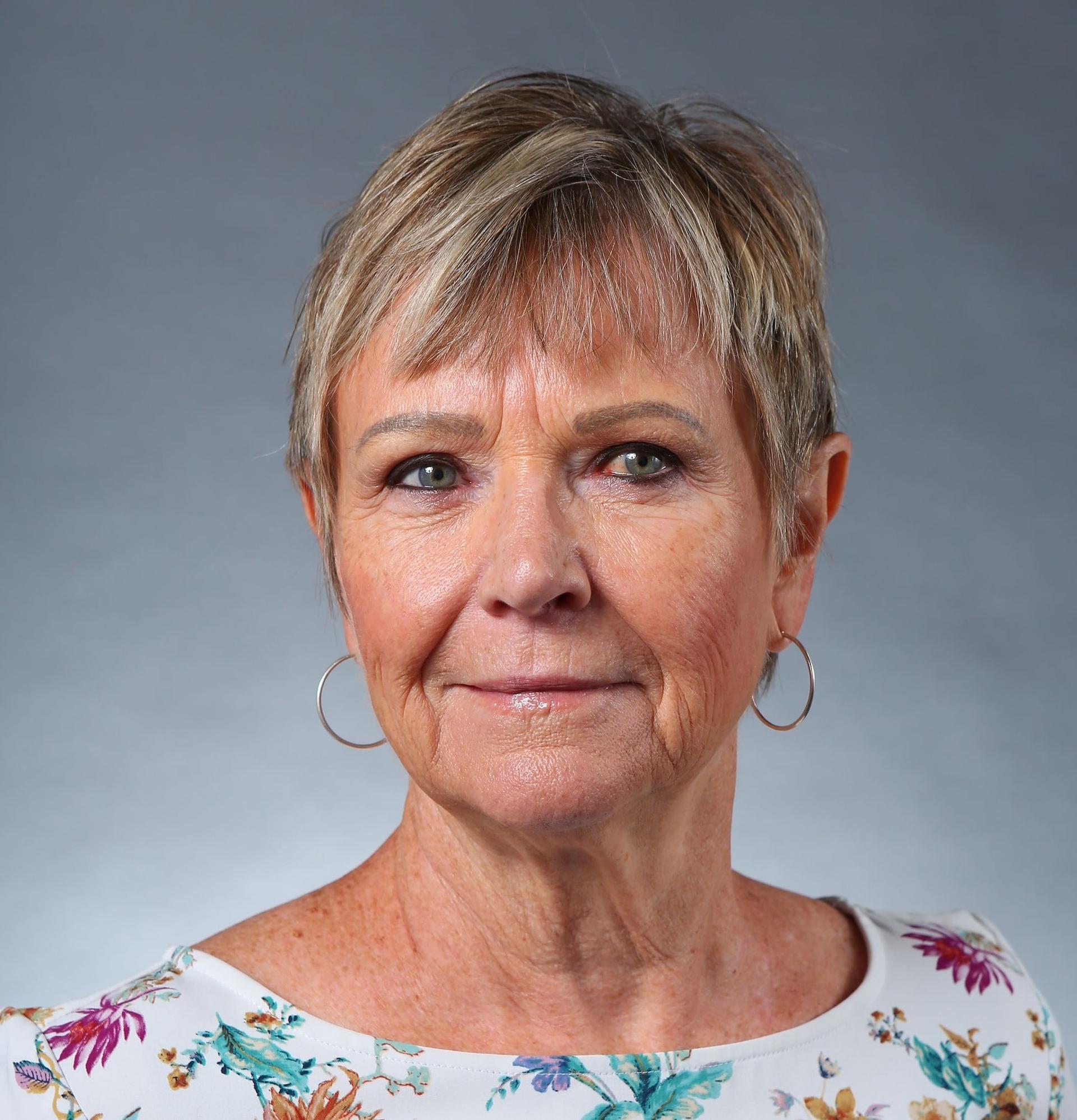
Communications Specialist Mandy Sorensen, DVM, MPH |
| From the Editor Hello members,
It's been a tumultuous couple of weeks to say the least. To those of you affected by funding cuts and reductions in force please know that you are not alone. And to all our members navigating these challenging times, thank you for your continued efforts to support public health, food safety, and One Health. We're grateful to have you here!
Below are some items that might be of particular interest:
Join Us at AVMA! - The AVMA convention is just around the corner, and will be in conjunction with the World Veterinary Association Congress. The lineup of public health and food safety topics is outstanding, and we hope we'll see you there! We're proud to provide speakers for the event and will have more information about the talks our members will be giving soon. You can check out the full lineup and learn more here.
Stability of H5N1 in Raw Milk - A study published on the preprint server medRxiv looked at stability of flu viruses, including H5N1, in raw milk from sheep and cows. This study is not yet peer reviewed. Results revealed that virus infectivity persisted for more than a day at room temperature and more than week when refrigerated. Read the preprint study here.
WOAH Releases First State of the World's Animal Health Report - From the press recent WOAH press release, "Infectious animal diseases are affecting new areas and species, undermining global food security, human health and biodiversity, according to the first State of the World’s Animal Health report. The new annual assessment, published by the World Organisation for Animal Health (WOAH), provides the first comprehensive review of animal disease trends, risks and challenges, from the uptake and availability of vaccines to the use of antibiotics in animals." Read the full report here.
Job Board - The job board is updated weekly, and a couple of interesting roles such as the Assistant State Veterinarian for Iowa and the Assistant State Veterinarian and CWD Coordinator for Michigan were just posted and expire soon. If you're looking for new employment, I encourage you to check it out. Likewise, if you're hiring, feel free to send postings to editor@aafsphv.org so I can make sure to share them with fellow members. You can view job postings here.
Cornell Feline Health Center Initiative Tracks H5N1 Activity in Cats - From a recent Cornell Chronicle press release, "When cats get sick with H5N1 avian influenza, they get severely ill, and up to 70% of affected cats will die. But little is known about how the virus spreads among cats, whether they serve as a vector to other animals or humans and how common infections are in community cat populations. The Cornell Feline Health Center (CFHC) in the College of Veterinary Medicine (CVM) is starting an initiative to answer those questions, first through a pilot project in New York state." You can read the full press release here.
One Health Heroes - We have been partnering with Dr. Brittany Lancellotti of Your Vet Wants You To Know to bring public health information to pet owners and veterinary professionals twice monthly. You can listen to episodes here. It's a great experience and platform, and If you'd be interested in sharing your expertise on a One Health topic on the podcast, please email me at editor@aafsphv.org
To continue to support our members, and provide access to high quality continuing education, we're updating the CE calendar regularly, so take a look. As always, if you have news, ideas, CE or job opportunities, or concerns you'd like to share, please send them my way at editor@aafsphv.org. I'd love to hear from you!
Thank you for all the incredibly valuable work you do! |
|
|
PUBLIC HEALTH IN THE NEWS |
|
|
Rapid Risk Assessment Framework to Estimate Potential for Spillback at Human–Wildlife Interfaces
McDevitt-Galles, Travis, Fry, Tricia L., Richgels, Katherine L. D., Grear, Daniel A., Rapid Risk Assessment Framework to Estimate Potential for Spillback at Human–Wildlife Interfaces, Transboundary and Emerging Diseases, 2025, 4334954, 15 pages, 2025. https://doi.org/10.1155/tbed/4334954
More than 60% of emerging infectious diseases of humans have a wildlife origin, and when these diseases spread through human populations to new geographical areas, there is a considerable risk of spillback from humans to wildlife species. Spillback events can have severe consequences for wildlife populations, where the disease may cause morbidity and mortality, and human populations, where the establishment in wildlife may lead to prolonged transmission or new exposures in humans. Mitigating these consequences requires identifying the key risk factors that lead to human–wildlife transmission events and implementing risk-reducing actions, a challenge given that cross-species transmission events are rare and often data deficient...
Read more |
|
|
Companion animal veterinary personnel have occupational risk for tularemia and One Health role for tularemia prevention in Kansas
KuKanich, K. S., Mulcahy, E. R., & Petro, E. M. (2025). Companion animal veterinary personnel have occupational risk for tularemia and One Health role for tularemia prevention in Kansas. Journal of the American Veterinary Medical Association, 263 (5), 619-627. https://doi.org/10.2460/javma.24.11.0725 OBJECTIVE To learn the knowledge, attitudes, and practices of veterinarians and technicians in Kansas regarding the occupational risk of tularemia, personal protection, patient diagnosis and management, zoonotic risk communication, and public health reporting. METHODS Kansas veterinarians and technicians serving cats and dogs completed an online survey between June and September 2024. RESULTS
The survey was completed by 109 veterinarians and 19 technicians. Forty-three percent (47 of 109) of veterinarians reported diagnosing tularemia in cats and 13% (14 of 109) in dogs. Seven percent (8 of 109) of veterinarians reported having had tularemia. When performing procedures with a high risk of exposure, such as lancing abscesses in tularemia suspects, glove use was 100% but additional personal protective equipment was inconsistent, including eye protection (81 of 116 [70%]) and surgical face mask (69 of 116 [59%]). Antibody titer and PCR were common diagnostics, but 42% (26 of 62) of veterinarians reported never submitting a confirmatory test, with owner finances being the primary hurdle. Veterinarians and technicians have inconsistent knowledge about reporting regulations, but 91% (58 of 64) discuss tularemia’s public health risk with pet owners.
Read More |
|
|
Assessing the potential impacts of California Senate Bill 27 (SB27) on the antimicrobial susceptibility of Escherichia coli from raw meat
Quinlivan V, Park DE, Aziz M, Casey JA, Davis M, Hu Q, Innes G, Nachman K, Nyaboe A, Pomichowski M, Rabanes HG, Roberts A, Roloff E, Takhar HS, Tartof SY, Liu C, Price L; KP & GWU ARES team. Assessing the potential impacts of California Senate Bill 27 (SB27) on the antimicrobial susceptibility of Escherichia coli from raw meat. Environ Health Perspect. 2025 Jun 11. doi: 10.1289/EHP16115. Epub ahead of print. PMID: 40499131. Background:
Antimicrobial use in food-animal production selects for antimicrobial-resistant Escherichia coli (E. coli) that can be transmitted to humans via contaminated meat products. California Senate Bill 27 (SB27), which took effect on January 1, 2018, restricts the use of medically important antimicrobials in California food-animal production. Over time, SB27 could reduce the prevalence of antimicrobial-resistant E. coli on meat produced in California. Objectives: We aimed to assess whether the implementation of SB27 was associated with significant decreases in resistance to medically important antimicrobials among E. coli strains contaminating raw chicken produced in California... Read More |
|
|
Application of a Quantitative Real-Time PCR Assay for Early Detection of Salmonella enterica Serovar Enteritidis on Poultry Farms During an Outbreak in New South Wales, Australia (2018–2020)
Onizawa, Emily, Westman, Mark E., Bogema, Daniel R., Deutscher, Ania T., Eamens, Kieran, Micallef, Melinda L., McDonogh, Tammy, Jenkins, Cheryl, Application of a Quantitative Real-Time PCR Assay for Early Detection of Salmonella enterica Serovar Enteritidis on Poultry Farms During an Outbreak in New South Wales, Australia (2018–2020), Transboundary and Emerging Diseases, 2025, 9937941, 16 pages, 2025. https://doi.org/10.1155/tbed/9937941
Salmonella spp. are a significant cause of human foodborne illness globally, with ingestion of contaminated eggs a major vehicle for infection. Salmonella enterica serovar Enteritidis (S. Enteritidis, SE) is the serovar most linked to egg-related foodborne salmonellosis in most developed countries. Until 2018, the Australian egg industry was considered free of SE. This report documents the diagnostic testing performed on samples from egg layer farms across New South Wales (NSW), Australia, as part of a SE outbreak response between 2018 and 2020. Testing was undertaken following a cluster of cases of SE infection in humans traced to the consumption of eggs originating from a single contaminated poultry farm. Quantitative real-time polymerase chain reaction (qPCR) testing was used to screen environmental and animal samples (n = 2058) from 29 different properties identified through contact tracing...
Read More |
|
|
What to know
H5 bird flu is widespread in wild birds worldwide and is causing outbreaks in poultry and U.S. dairy cows with several human cases in U.S. dairy and poultry workers.
While the current public health risk is low, CDC is watching the situation carefully and working with states to monitor people with animal exposures. CDC is using its flu surveillance systems to monitor for H5 bird flu activity in people
More info |
|
|
New World Screwworm Current Situation and Resources |
|
|
Screwworm Resources:
New World Screwworm remains a threat, and all veterinarians should be sure to know the signs and how to report potential infestations. Below are some resources on identifying, treating, and reporting cases that may be helpful.
A great, concise article from the AVMA on NWS diagnosis, treatment, and how to report cases can be found here.
The USDA-APHIS page on New World Screwworm can be found here.
The Texas A&M Agrilife Extension New World Screwworm Fact Sheet can be found here.
USDA-APHIS Training Module 41 on New World Screwworm can be found here. This is highly recommended viewing for all veterinarians. |
|
|
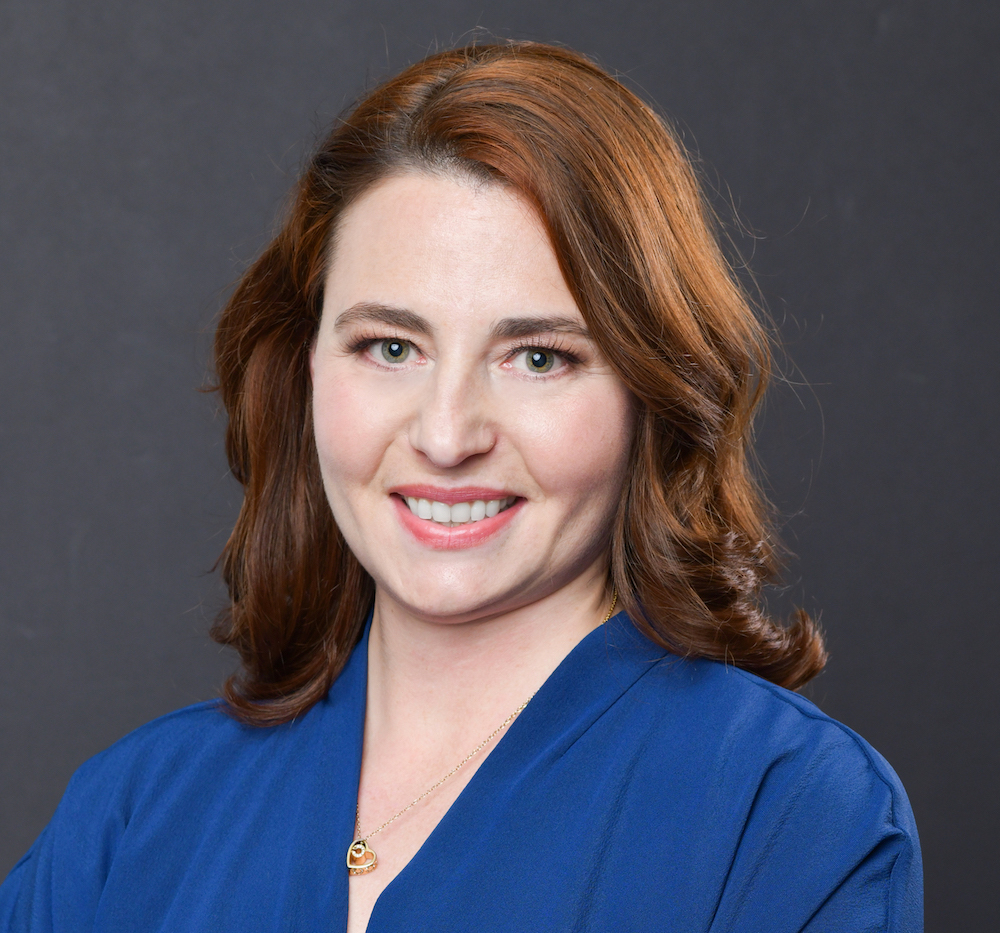
Executive Vice President, Katherine Waters, DVM, MPH, DACVPM |
| LaFontaine Memorial Scholarship Period Open -
Applications Due 15 July 2025 Background
Daniel E. Lafontaine Sr. grew up in Alvada, Ohio and earned his Doctor of Veterinary Medicine degree at The Ohio State University (1967). Following graduation, he served in the Army Veterinary Corps for 26 years, retiring as a Colonel in 1993. During his service, he earned a Master of Public Health from the University of Minnesota. Dr. Lafontaine subsequently served as Director of the South Carolina Meat Poultry Inspection Department and was the Assistant State Veterinarian of South Carolina. He finished his career as a Vice President and associate of the HACCP Consulting Group, LLC.
Dr. Lafontaine was a member of many professional organizations to include a diplomate of The American College of Veterinary Preventive Medicine; past president of the former American Association of Food Hygiene Veterinarians (now American Association of Food Safety and Public Health Veterinarians); past chair of the AVMA House Advisory Committee, past member of the AVMA Legislative Advisory Committee, and chaired the AVMA Antimicrobial Use Task Force. In 1996, Dr. Lafontaine was named AAFHV Food Hygiene Veterinarian of the Year. He received the AVMA Public Service Award in 2008.
He traveled worldwide to teach food safety practices to colleagues and soldiers. Dr. Lafontaine took great pride in the Army's Veterinary Corps, his second career with the State of South Carolina, and consulting on food safety and hygiene. Dr. Lafontaine, 78, Bel Air, Maryland, died Feb. 24, 2021.
Purpose
To honor Dr. Lafontaine’s legacy and efforts in food safety and public health practices.
Qualifications
-
Be a veterinarian working on an advanced degree or be a student working on a veterinary degree with an emphasis on food safety and public health.
- Enrolled in an advanced university program (DVM, Master's, PhD, DrPH, etc.) focused on food safety and public health.
-
Demonstrate intent to continue in a career focused on food safety and/or public health.
TO APPLY: -
Visit our website
- Log into the Member Center
- Click the Scholarship Button
-
Select Lafontaine Memorial and fill out the form
- Attach a CV
- Click submit
Applications will be reviewed during August 2025 and $1000 scholarship awarded by Sept 1, 2025 |
| |
Past President and Education Chair Angela Demaree, DVM, MPH |
| Education Committee Seeking Volunteers We are seeking volunteers to help us with our Education committee . This committee oversees scientific presentations at AVMA and USAHA conventions as well as the ACVPM sponsored CE webinars. Time commitment: this committee meets monthly via Zoom for 1 hour.
If you are interested in volunteering contact Angela Demaree at angela@angelademaree.com |
|
|
President-Elect Jane Lewis, DVM, MS, DACVPM |
| Membership and Admissions Committee Seeking Volunteers
This committee shall be responsible for actively recruiting members and determining eligibility for membership. Time commitment: this committee has been inactive and will need to meet via Zoom 1-2 times a month for 3 months to develop a member recruitment and retention strategy. After 3 months, meetings will be as needed. If interested, contact Jane Lewis at jmlvet94@gmail.com |
|
|
|
Experiencing hardship?
The AVMA offers reduced dues or dues exemption for qualified applicants.
To learn more and apply click here |
|
|
|
Not One More Vet offers a variety of resources to support veterinary professionals including micro-grants for those experiencing hardship. To learn more about the resources NOMV features, visit them here.
To learn more about micro-grants, click here. |
|
|
| ASPCA SAFE Act and Food Safety
Last week Dr. Donna DeBonis was flown to Washington, DC by the ASPCA to lobby Congress in support of the Save America’s Forgotten Equines (SAFE) Act. She joined 4 other veterinarians from around the country, and was tapped for her extensive experience, knowledge, and expertise in food safety for both humans and animals. Dr. DeBonis carries a Master’s Degree in Food Safety, and has worked as a certified US Army Food Auditor, as well as for USDA-FSIS. Below is a summary from the ASPCA SAFE Act:
“Eating meat from American horses is inherently unsafe for humans. Because American horses are not raised for food, they are routinely administered medications and substances prohibited by the FDA for use in animals intended for human consumption. We should not allow humans, whether living within or outside the United States, to eat meat that threatens their health. In 2015, the European Union banned all horse meat imports from Mexico—where the great majority of American horses are slaughtered—citing food safety concerns.” ASPCA
For her efforts with the ASPCA, Dr. DeBonis was presented with the 2025 Equine Hero statue.
You can read more about the SAFE Act from a 2018 fact sheet here or a February press release from the ASPCA here. |
|
|
ACVPM Continuing Education Webinar- Gender, Veterinary Public Health, and One Health
Gender equity and inclusion are critical concepts in understanding and practicing One Health (OH). Gender is an important component of the human-animal-environment interface due to the different roles and expectations that exist between genders. Gender profoundly impacts and is impacted by the most pertinent issues humanity faces, including emerging infectious diseases, climate change, and other OH issues. We'll discuss how veterinarians can recognize gender gaps and identify approaches to address those gaps to ultimately become transformative agents in promoting gender equality and equity in all aspects of their work.
When: 30 June at 1pm Pacific Time
Where: Zoom Webinar
Cost: (a benefit of being an active or emeritus ACVPM Diplomate, an ACVPM candidate, or an active member of AAFSPHV, NAFV, NASPHV, or USAHA)
CE Hours: This webinar has been granted up to one hour of CE credit by RACE. Participants must attend at least 50 minutes of the webinar to receive a one hour CE certificate.
To Register for the Webinar: Click HERE
|
|
|
Looking for more CE or have a CE event you'd like to share?
View our full calendar here
To share an upcoming event, please email me at editor@aafsphv.org |
|
|
Please follow AAFSPHV on Social Media. We just joined bluesky |
| |
|
AAFSPHV News Brief Vol 5 Iss 12 www.aafsphv.org |
|
|
|