|
Newsletter Volume 5 Issue 24 15 December 2025 |
|
|
TABLE OF CONTENTS
From the President From the Editor Public Health In the News Food Safety In The News H5N1 and New World Screwworm Resources
Announcements Continuing Education |
|
|
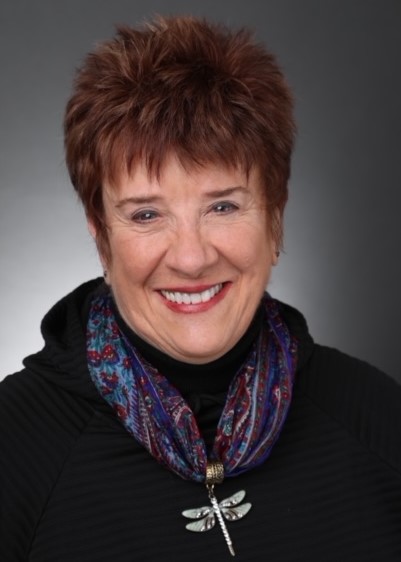
AAFSPHV President, Pamela Abney, DVM |
| From the President
What is happening with our country’s public health system? As I recollect on growing up in the rural south, I remember the excitement of an occasion where both children and parents were bused into the main school, maybe on a Saturday. I was about 7-8 years old at the time and remember being given a yummy sugar cube containing a dose of the polio vaccine. No one questioned this project of mass vaccination by our leaders in the 1960s and beyond. We all knew someone, usually a child, who had died, was crippled or had to exist in an ‘iron lung’ machine. More than 21,000 paralytic cases were reported in the USA in 1952 alone. There was hope these deaths and crippling cases would end; and they did. The last case of wild poliovirus acquired in the USA was 1979. This mass polio vaccination project was so successful, the Americas were WHO certified polio free in 1994.
Polio, once a terror causing paralysis since ancient times, saw outbreaks surge in the 20th century, peaking in the 1940s and 1950s. After researchers Enders, Weller & Robbins successfully cultured the poliovirus (1949), effective vaccines emerged in the mid-1950s: Jonas Salk's injectable Inactivated Polio Vaccine (IPV) in 1955, followed by Albert Sabin's Oral Polio Vaccine (OPV) in the 1960s. Sabin’s live-attenuated (weakened) virus vaccine was licensed in stages (type 1, 2,3) and became the vaccine of choice for mass campaigns due to ease of delivery.
In 1988, polio paralyzed an estimated 350,000 individuals per year in more than 125 countries. By 2019, only 125 cases caused by wild poliovirus were reported globally, a reduction of more than 99% from 1988, and polio remained endemic in only two countries. The Global Polio Eradication Initiative (GPEI), launched in 1988, marked a major global vaccination push. These vaccines dramatically cut cases and eliminated polio from many regions of the world by the 1990s. In 2000, the USA switched from OPV to IPV, as the only cases of paralytic polio here were vaccine derived from OPV. In 2015 & 2019, wild Poliovirus Types 2 and 3 were eradicated leaving only Type 1 endemic in Pakistan and Afghanistan.
I think of my childhood experience of being part of a mass oral polio vaccine campaign at my local school and how that public health project has essentially eradicated polio deaths from most of the world today. Nothing is 100% safe in this world, but I do know that vaccines throughout history have prevented countless deaths and various other disease related disabilities in both humans and animals. The pursuit of science and its solutions to prevent disease are critical to our long-term race against pathogens.
Currently there are concerns with the way some in my government are modifying the story; dampening some of the scientific work in progress, confusing scientific facts with a preconceived ideology. To what end? How long will it take to restore full faith in our public health system? Time will tell, but we must remain vigilant, keep the true history and facts safe for retrieval if needed. Official science-based informational websites can change and some have been observed to be subordinated by ideology/politics; a trend that must be called out as unacceptable.
All in all, polio’s history is a story of fear, resilience, and scientific triumph. We must all do our part to ensure future outbreaks end with using tested and proven science-based methods and not devolve into politically motivated stasis. Dr. Pamela Abney |
Resources from Dr. Abney:
In reviewing the history of the polio vaccines, I came across the CDC Pink Book, link: https://www.cdc.gov/vaccines/hcp/by-disease/index.html Vaccines by disease currently on DCD website.
The link specific to poliomyelitis: https://www.cdc.gov/pinkbook/hcp/table-of-contents/chapter-18-poliomyelitis.html Pink Book Chapter 18: Poliomyelitis, authors, Concepcion F. Estivariz, MD; Ruth Link-Gelles, PhD, MPH; and Tom Shimabukuro, MD, Health Care Providers, May 1, 2024. This chapter discusses pathogenesis, clinical features, epidemiology, vaccination, and surveillance of poliomyelitis. Keep in mind, the 14th edition of the "Pink Book" was published August 2021. Vaccine-specific recommendations may be outdated. Refer to the CDC website for updated Polio Vaccination: Information for Healthcare Professionals.
|
|
|
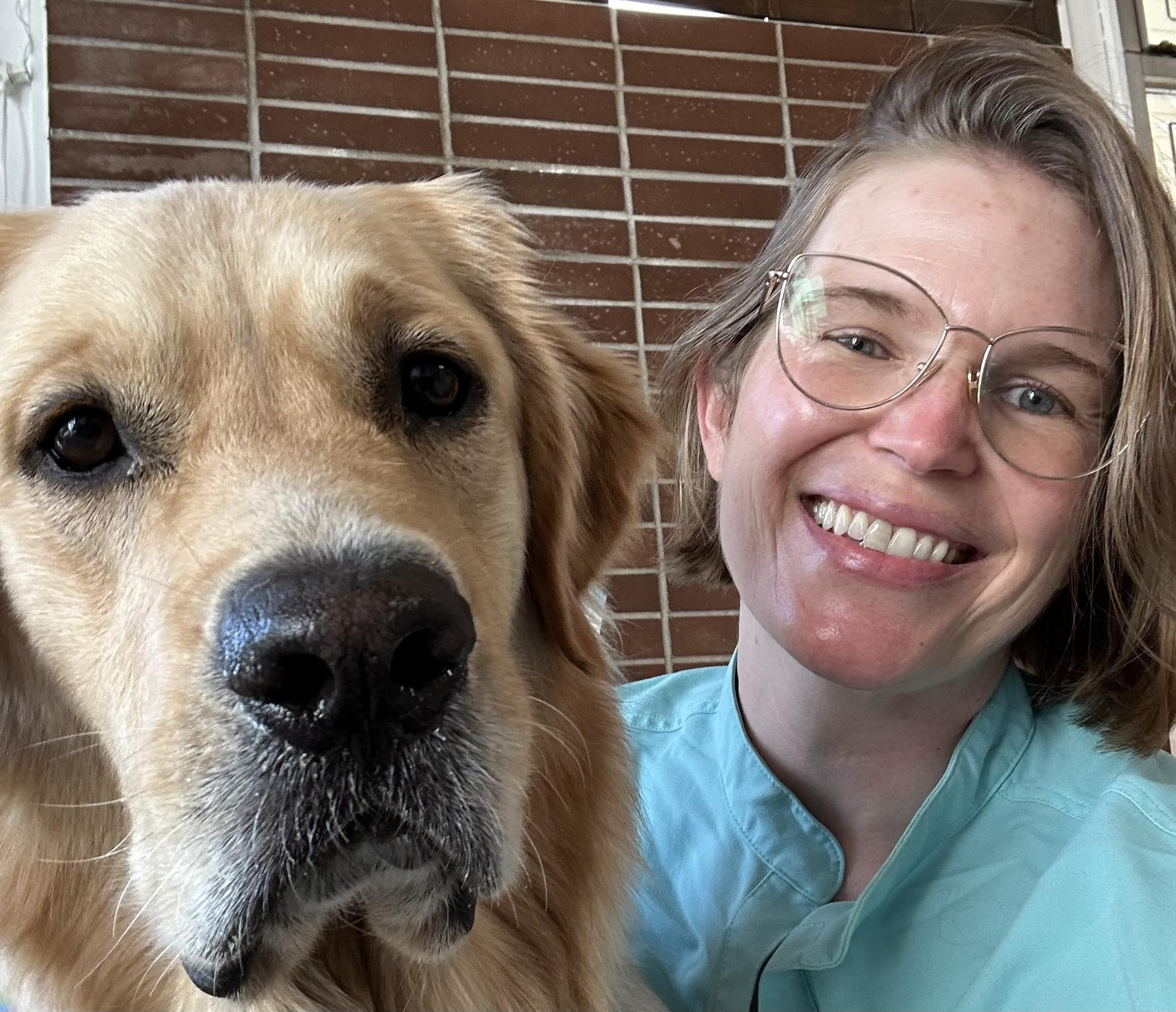
Communications Specialist Mandy Sorensen, DVM, MPH |
|
From the Editor Hello members, It has certainly not been an easy year in many ways, and I hope you all can find some much-needed rest during the holidays. Thank you for all you have done and continue to do to support public health and food safety, and thanks for being here!
Below are some items that might be of particular interest. As always, if you have any news, ideas, job or CE opportunities, or questions for me, please reach out. I'd love to hear from you.
Dues Renewals - Members, if your annual renewal date falls in December, January, or February, please help us out by paying your dues in December. We hope you find our efforts to advocate for you, educate you, and keep in communication with you about current events valuable. You can renew by visiting the Member Center and clicking "Renew Your Membership" or by visiting this link. Also, please be aware that we will be increasing dues by $5 in January 2026. You can scroll down to the announcements section to learn more and read our Finance Committee's December report.
Call For Abstracts For The 9th World One Health Congress - The 9th Annual World One Health Congress is set to be take place 4-7 September, 2026 in Lisbon, Portugal. The call for abstracts will be open until 13 March. Don't miss this great opportunity to share your work! You can learn more and submit by visiting this link.
How Does One Health Fit Into Current Academic Frameworks? - A new paper in Frontiers in Medicine looks at results of a SWOT analysis workshop held during the inaugural meeting of the North American One Health University Network (NAOHUN) in 2024. The workshop looked at Strengths, Weaknesses, Opportunities, and Threats facing One Health educational programs. From the paper abstract, "These discussions will help to ensure sustainability and relevance of OH training programs. With the launch of NAOHUN, these insights will provide strategic direction for establishing universally accepted OH education competencies and other priority initiatives for network members." Read the paper here.
Spillover Of H5 Influenza Viruses To Vampire Bats At The Marine-Terrestrial Interface- A new preprint from the from BioRxiv reports on the first evidence of H5 Avian Influenza Virus A in vampire bats with marine mammal exposure in the Peru. From the report, "...Recurrent exposures from marine wildlife, tissue and cellular susceptibility to H5N1 IAVs, and connections to other IAV-susceptible terrestrial mammals establish the prerequisite conditions for vampire bats to spread IAVs between marine and terrestrial environments or to form a novel reservoir of highly pathogenic IAVs." Read the paper here.
Job Board - The job board is updated weekly, and there are a number of interesting roles posted currently, such as:
Boehringer Ingelheim Veterinarian, Pharmacovigilance
Supervisory Veterinary Medical Officer/Public Health Veterinarian University of Arizona Veterinary Public Health Resident
If you're hiring, feel free to send postings to editor@aafsphv.org so I can make sure to share them with fellow members.
One Health Heroes - We have been partnering with Dr. Brittany Lancellotti of Your Vet Wants You To Know to bring public health information to pet owners and veterinary professionals twice monthly in a segment called 'One Health Heroes'. You can listen to episodes here on Apple Podcasts or here on Spotify. It's a great experience and platform, and if you'd be interested in sharing your expertise on a One Health topic on the podcast, please email me at editor@aafsphv.org
|
|
|
PUBLIC HEALTH IN THE NEWS |
| |
Human-to-Human Rabies Transmission via Solid Organ Transplantation from a Donor with Undiagnosed Rabies — United States, October 2024–February 2025 Earnest R, Carter KK, Margrey SF, et al. Human-to-Human Rabies Transmission via Solid Organ Transplantation from a Donor with Undiagnosed Rabies — United States, October 2024–February 2025. MMWR Morb Mortal Wkly Rep 2025;74:600–605. DOI: http://dx.doi.org/10.15585/mmwr.mm7439a1
Although rabies virus is typically transmitted through mammalian animal bites or scratches, human-to-human transmission has occurred through organ and tissue transplantation. From 1978 to 2013, three transplant-transmitted rabies events in the United States affected nine tissue or organ recipients. Rabies is almost always fatal without timely receipt of postexposure prophylaxis (PEP). In January 2025, clinicians in Ohio notified the Ohio Department of Health and CDC of a suspected case of rabies in a kidney transplant recipient who died 51 days after receiving the transplant. CDC confirmed the recipient’s rabies diagnosis. Investigation revealed that the deceased donor had been scratched by a skunk approximately 6 weeks before death. No other organs from that donor were transplanted; however, three persons received cornea tissue grafts. While investigation of the donor’s rabies status was ongoing, the cornea recipients underwent precautionary graft removal and received PEP. None developed signs or symptoms compatible with rabies. CDC detected rabies virus RNA in an archived sample of the donor’s kidney, confirming organ-derived transmission. Investigation identified 370 persons with possible exposures to the donor or kidney recipient; 357 (96%) completed risk assessments. Among those who completed risk assessments, 46 (13%) were recommended to receive PEP. Early consultation with public health officials might prevent rabies-infected organ and tissue donation or lead to prompt PEP for transplant recipients. The risk for rabies should be considered among donors who have received rabies-susceptible animal bites or scratches within the previous year, particularly those donors with acute encephalopathy.
Read More |
|
|
Salmonella Illness Outbreaks Attributed to Chicken by Product Type, United States, 1998–2022 Chard, A. N., Eisenstein, T., Cote, A., & Kremer-Caldwell, S. (2025). Salmonella Illness Outbreaks Attributed to Chicken by Product Type, United States, 1998-2022. Journal of food protection, 88(12), 100660. https://doi.org/10.1016/j.jfp.2025.100660
Salmonella causes an estimated 1.35 million infections in the United States annually, with almost one-fifth of all salmonellosis illnesses attributed to chicken products. We reviewed Salmonella illness outbreaks attributed to chicken reported to the Foodborne Disease Outbreak Surveillance System (FDOSS) with a date of first illness onset during 1998-2022 and determined the chicken product type associated with each outbreak using a standardized categorization scheme. We calculated the number of outbreaks, outbreak-associated illnesses, hospitalizations, and deaths overall and by chicken product type; evaluated changes in the frequency and size of outbreaks over time using Mann-Kendall tests; and evaluated differences in the observed (as reported to FDOSS) versus expected (based on sales volume) proportion of outbreaks attributed to chicken product types using generalized linear models. During 1998-2022, there were 366 Salmonella illness outbreaks attributed to chicken, altogether responsible for 10,344 illnesses, 1,426 hospitalizations, and 12 deaths. The number of outbreaks and outbreak-attributed illnesses per year did not significantly change during the analysis period, overall or when stratified by chicken product type. Among outbreaks for which a product type could be identified (53.0%), chicken parts were the most implicated product type, representing 68.6% of outbreaks and 53.8% of illnesses. Reported chicken parts outbreaks were 5.6 times higher than expected given sales volume (odds ratio [OR] = 5.59; 95% confidence interval [CI] = 3.79, 8.24). Results suggest that multilayered prevention strategies along the farm-to-fork continuum are necessary to reduce and prevent Salmonella illnesses attributed to chicken; prevention efforts focused on raw chicken parts could have the greatest impact.
Read More |
|
|
What to know:
To view confirmed cases in poultry, you can view the USDA H5N1 Confirmed Cases in Poultry page.
To view confirmed cases in dairy cattle, visit the USDA HPAI Confirmed Cases in Livestock Page. Updates:
November 14, 2025: A new human case of H5N5 confirmed in Gray's County, WA. Read more here.
September 30, 2025: FDA Requires Cat & Dog Manufacturer Food Safety Plans To Consider H5N1
From FDA - "During the fall migratory season, H5N1 detections typically increase throughout the United States in wild birds, with potential spread to commercial and backyard poultry flocks. Given this seasonal pattern, the FDA is reissuing this CVM Update to remind pet food manufacturers that H5N1 represents a known or reasonably foreseeable hazard when using certain ingredients." Read the full update here.
July 7, 2025: "...CDC streamlined H5N1 bird flu updates with routine influenza data updates and updated reporting cadences to reflect the current public health situation. As such, the following changes were made to this page: Data on the number of people monitored and tested for bird flu are reported monthly.
USDA data on HPAI detections in animals will no longer be reported on the CDC website. These data can be found on USDA's website. CDC will continue to report any additional human cases of H5 bird flu here and in FluView."
Visit the CDC's H5 Bird Flu: Current Situation page |
|
|
New World Screwworm Current Situation and Resources |
|
|
Visit www.Screwworm.gov for the all the latest information on response, status, testing and reporting. Latest Updates:
On December 4, 2025, "...the U.S. Food and Drug Administration conditionally approved Exzolt Cattle-CA1 (fluralaner) topical solution for the prevention and treatment of New World screwworm (NWS) larval infestations, and the treatment and control of cattle fever tick in beef cattle 2 months of age and older and replacement dairy heifers less than 20 months of age." Read the full press release here.
On November 13, 2025, USDA issued a press release. From the release, "Today, the U.S. Department of Agriculture (USDA) announced the next milestone in the fight against New World screwworm (NWS) – the opening of a sterile fly dispersal facility in Tampico, Mexico. The Tampico facility will allow USDA to disperse sterile flies aerially across northeastern Mexico, including in Nuevo Leon." Read the full press release here.
On October 24, 2025, FDA issued Emergency Use Authorization for Credelio (lotilaner) for the treatment of New World Screwworm in Dogs and Puppies. Read the press release and learn more here. In October, USDA APHIS released the New World Screwworm Response Playbook. Read the full playbook here.
Screwworm Resources: A great, concise article from the AVMA on NWS diagnosis, treatment, and how to report cases can be found here. The USDA APHIS page on New World Screwworm can be found here. The Texas A&M Agrilife Extension New World Screwworm Fact Sheet can be found here.
USDA APHIS Training Module 41 on New World Screwworm can be found here. This is highly recommended viewing for all veterinarians. |
|
|
Executive Vice President, Katherine Waters, DVM, MPH, DACVPM |
|
Happy holidays From Your Executive Vice President |
I appreciate all the support that you’ve given our organization during this challenging year. We are stronger together.
|
| |
AAFSPHV Treasurer, Kelly Vest, DVM, MPH, DrPH |
| Finance Committee Report Nov 2025
Attendees: Kelly Vest, Chair, Mike Gilsdorf, Arnie Goldman, Katherine Waters
After a discussion of the budget, the committee voted to recommend an increase in
membership dues by 10% per year for the next 3 years. This recommendation was submitted to the Board of Directors during their Dec 2025 meeting and the board voted to approve a $5 increase in dues each year for the next 3 yrs (2026-2028). There will not be an increase in Student member dues.
The committee also approved investing $15,000 from savings into Certificates of Deposit to increase the return on investment.
Drs Goldman and Gilsdorf are working on a letter to companies involved in veterinary medicine to solicit their financial support. In return, our organization can provide information or advertising about the company’s efforts in one health, public health, and food safety in our newsletter and on our website. The Board will review their recommendations in early 2026.
AAFSPHV Governing Board votes to increase active membership dues by $5.00 beginning
January 1, 2026. Student dues to remain $10/yr. |
|
|
2025 AVMA VLC Scholarship Recipient, Sonali Puri, TAMU VERO Class of 2028 |
| Congrats to Sonali Puri, 2025 Recipient of the AVMA Veterinary Leadership Conference Scholarship!
The AAFSPHV scholarship committee, headed by Dr. Jane Lewis, has selected Sonali Puri, a 2nd year student at Texas A&M Veterinary Education, Research, and Outreach (VERO) campus as our AVMA Veterinary Leader for 2026. Sonali is also completing her Masters in Veterinary Public Health and Epidemiology. She serves as SAVMA Senior Delegate for the VERO DVM class of 2028 and represents the Student AVMA as a member of the AVMA Political Action Committee (PAC). In her application for the scholarship, Sonali stated, “Both of these roles have shown me how policy and advocacy can help shape the resources available to veterinarians and veterinary students. I hope to use my experience in my role as a Delegate in the future to help shape advocacy for future veterinarians like myself.” Our organization will send Sonali to the AVMA Veterinary Leadership Conference in Chicago, IL in January 2026. |
|
|
President-Elect Jane Lewis, DVM, MS, DACVPM |
| Membership and Admissions Committee Seeking Volunteers
This committee shall be responsible for actively recruiting members and determining eligibility for membership. Time commitment: this committee has been inactive and will need to meet via Zoom 1-2 times a month for 3 months to develop a member recruitment and retention strategy. After 3 months, meetings will be as needed. If interested, contact Jane Lewis at pres-elect@aafsphv.org |
|
|
|
Experiencing hardship?
The AVMA offers reduced dues or dues exemption for qualified applicants.
To learn more and apply click here |
|
|
|
Not One More Vet offers a variety of resources to support veterinary professionals including micro-grants for those experiencing hardship. To learn more about the resources NOMV features, visit them here.
To learn more about micro-grants, click here. |
|
|
ACVPM Continuing Education Webinar : Porkology 101: A Crash Course in the Swine Industry
The swine industry is a significant contributor to the economic wellbeing of the United States. In addition to supporting over 573,000, the U.S. pork industry generates billions of dollars of revenue through commerce at the local, state, national and global levels. Recent events across the barnyard, such as the spread of H5N1 in dairy cattle and JEV outbreaks in Australia, drive home the need to fortify relationships in a transdisciplinary One Health way to effectively protect human, animal and environmental health. With this goal in mind, NPB has created programs and materials to provide interested individuals and non-industry partners with basic information on the U.S. swine industry. This pork industry overview session will provide the audience with an overview of the terminology, structure and processes commonly employed within the swine industry with an emphasis on swine-specific and zoonotic disease prevention for a veterinary audience. We will also outline the key industry partners and processes that will be implemented during a regulatory disease outbreak that will promote and protect people, pigs, and the planet.
When: 14 January at 1:30pm Pacific Time/4:30pm Eastern Time
Where: Zoom Webinar
Cost: Free! (a benefit of being an active or emeritus ACVPM Diplomate, an ACVPM candidate, or an active member of AAFSPHV, NAFV, NASPHV, or USAHA)
CE Hours: This webinar has been granted up to one hour of CE credit by RACE. Participants must be active members of the ACVPM or its partner organizations and must participate for at least 50 minutes of the webinar to receive a one hour CE certificate.
To Register for the Webinar: Click HERE
Can't Make an ACVPM Webinar? - If you have to miss an ACVPM webinar, you can still watch many at your leisure by visiting their Youtube page. There is no CE credit for watching after the live the event. You can visit this link to see available recordings.
|
|
|
Looking for more CE or have a CE event you'd like to share?
View our full calendar here
To share an upcoming event, please email me at editor@aafsphv.org |
|
|
Please follow AAFSPHV on Social Media. We just joined bluesky |
| |
|
AAFSPHV News Brief Vol 5 Iss 24 www.aafsphv.org |
|
|
|